

Mermaid Avenue’s Jacarandas: Between Light and Letting Go


A man walks beneath a tree in bloom, violet petals collecting at his feet, unsure whether he is coming home or quietly slipping away from it. That sense of in between, of reflection without resolution, runs through Jacarandas, the fourth album from Brisbane five piece Mermaid Avenue, and gives the record its quietly affecting core.
There is a measured confidence in how these songs unfold. The band resist the urge to overplay, instead letting arrangements breathe and settle into their own natural rhythm. Acoustic and electric guitars weave together with a kind of unspoken understanding, while keys and steel lines add texture without ever pulling focus. The result is a sound that feels grounded and unforced, shaped by time rather than studio polish.
At the centre is Peter Clarke, whose songwriting leans into nuance and observation. His voice carries a worn warmth that suits the material, delivering lines with a sense of lived experience rather than theatricality. The album moves through ideas of memory, ageing, ambition, and the lives we construct for ourselves, never overstating its themes yet always returning to them with purpose.
Despite the staggered release of its tracks across previous years, the album holds together with a surprising sense of unity. Heard in sequence, these songs take on new weight, forming a cohesive whole that feels intentional rather than retrospective. There is a subtle progression at work, as if each track edges slightly closer to clarity without ever fully arriving there.
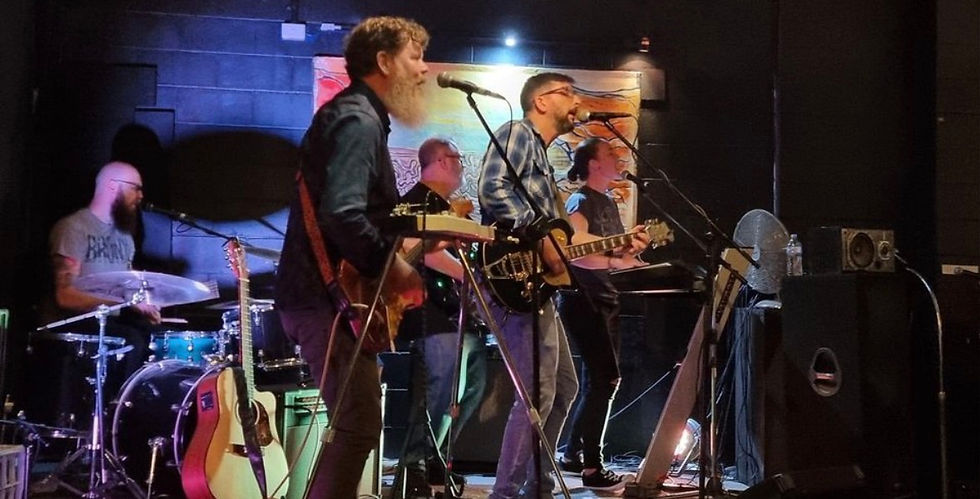
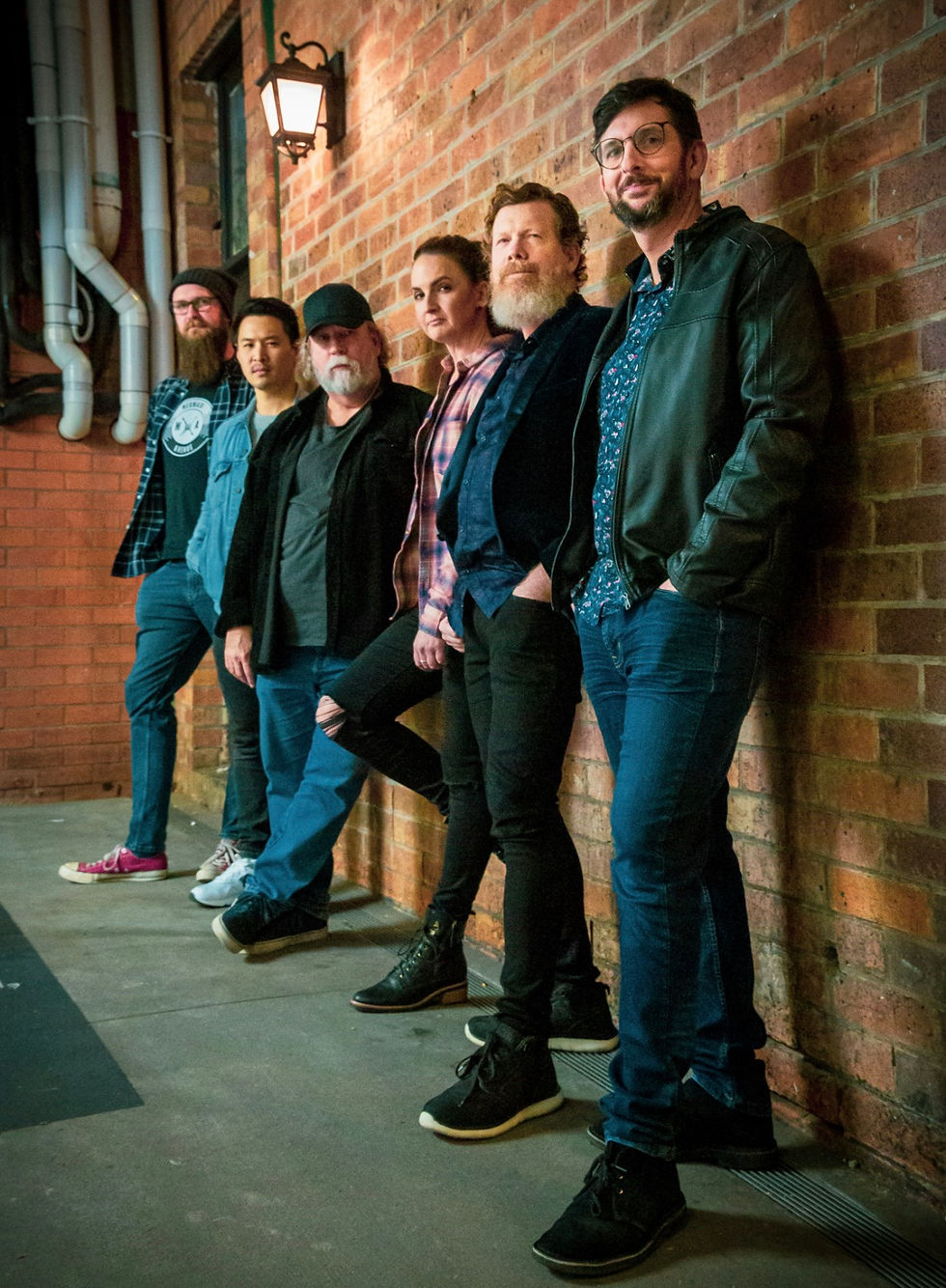
What lingers most is the atmosphere. The closing stretch, in particular, leaves a quiet imprint, carried by delicate instrumentation that extends the emotional reach of the record beyond its final moments. It is not an album that insists on attention, but one that earns it over time.
With Jacarandas, Mermaid Avenue deliver a record that feels both settled and searching, confident in its voice yet open in its questions. It is a work that invites listeners to sit with it, to return, and to find something new each time.


Comments